

Finnish regulators have disclosed a series of patient safety failures at Plastic Surgery Center in Helsinki, including indications that staff washed disposable liposuction equipment by hand and in a dishwasher against manufacturer instructions.
The findings follow an unannounced inspection on 9 September at premises shared by Plastic Surgery Center Helsinki Oy and Plastic Surgery Center Tampere Oy on Aleksanterinkatu. The Licensing and Supervisory Agency, LVV, ordered both companies to stop providing healthcare services immediately.
The inspection found problems involving medicines, patient records, hygiene, infection control, medical equipment and operating theatre practices, according to LVV.
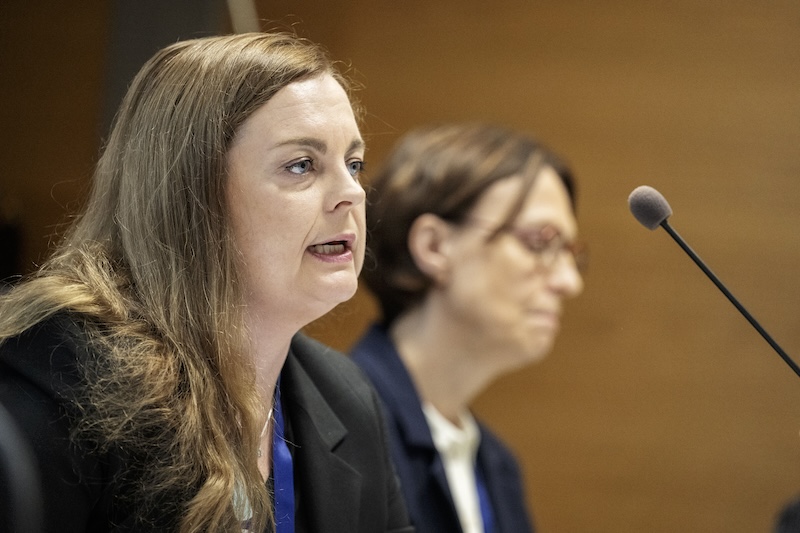
Inspectors also found unsecured oxygen cylinders in the operating theatre. Niina Oresmaa, head of a unit at LVV’s social and healthcare division, said the cylinders represented a general safety risk.
The agency said inspectors formed the impression that staff were washing both reusable and single-use components of liposuction equipment themselves, using handwashing and a dishwasher rather than following manufacturer instructions.
LVV said the latest inspection was among the most extensive supervisory operations conducted by the agency in the social and healthcare sector. Inspectors collected more than 1,000 photographs or documents during the visit.
The clinic has drawn wider attention following the death of 27-year-old social media influencer Olivia Oras.
Oras lost consciousness during anaesthesia administered before a planned liposuction procedure at the clinic on 31 August and later died in hospital on 3 September.
Police are investigating her death as aggravated negligent homicide. Police have not established publicly whether a treatment error contributed to her death.
The new regulatory findings do not establish a connection between the deficiencies identified during the inspection and Oras’s death.
Inspectors also found an anaesthetic cream without marketing authorisation. LVV said it was unable to verify whether all medical devices complied with regulatory requirements, including operating tables and breast implants.
The clinic had also failed to provide several documents requested during the inspection. These included its self-monitoring plan, information security plan, medication plan and rescue plan.
Regulators said the clinic had shortcomings in preparing for complications and other emergency situations associated with medical procedures.
The person responsible for the two service providers denied the alleged failures in patient, medical device, medicine and information security practices, as well as deficiencies involving hygiene and emergency preparedness, LVV said.
LVV has suspended healthcare services at five aesthetic healthcare providers this year after identifying multiple deficiencies that placed patient safety at risk.
The agency said recurring findings across inspections included unauthorised medicines, problems with medication practices and failures involving medical device safety.
Officials have also found cases in which doctors were not present or immediately available during botulinum toxin injections, despite LVV’s position that medical supervision is required.
Satu Koskela, head of LVV’s social and healthcare division, said the findings showed serious failures in self-monitoring at some providers, while stressing that the problems did not apply to the entire aesthetic healthcare sector.
LVV’s Soteri register contains about 740 service units and more than 1,000 service locations registered to provide healthcare treatments for aesthetic purposes.
HT


