

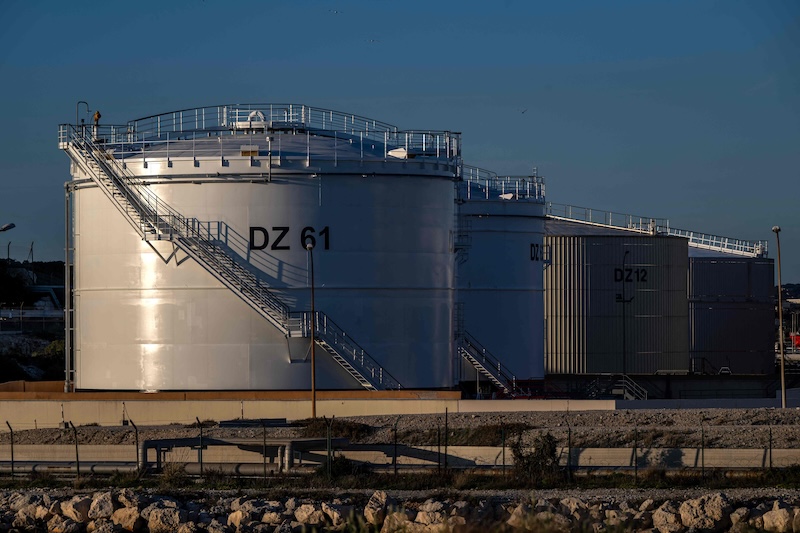
G7 countries have agreed to release 100 million barrels of oil and diesel from emergency reserves over four months as governments seek to curb fuel prices and ease pressure on households and businesses.
The release will start immediately and will be coordinated through the International Energy Agency, according to a joint statement issued after a virtual meeting on Friday.
The plan places an initial focus on diesel. G7 members and partner countries will make a substantial diesel release during the first 20 days, while further releases will remain under consideration.
The group also agreed to coordinate refinery maintenance to avoid simultaneous shutdowns and increase refinery utilisation where possible. Countries with large refining industries will also be encouraged to raise production of diesel and other refined fuels.
French President Emmanuel Macron, who chairs the G7 this year, said the countries would work together to bring down petroleum product prices, with particular attention to diesel.
The intervention follows months of disruption to global oil supplies linked to the United States and Israel war on Iran and reduced shipping through the Strait of Hormuz. Brent crude traded above $100 a barrel on Friday, compared with about $72 before the war.
The G7 statement called for the restoration of navigation through the Strait of Hormuz and said members would maintain sanctions against Russia while seeking to limit further effects on energy and commodity markets.
The agreement also followed pressure from US President Donald Trump, who had raised the prospect of restricting American diesel exports unless European countries released emergency stocks.
After the G7 decision, Trump wrote on Truth Social that Europe had agreed to release a large volume of diesel and said the process would begin immediately.
The G7 pledged not to impose restrictions on energy trade between member countries and called on other producers to avoid export bans that would tighten supplies further.
Europe depends on imports for part of its diesel consumption. The Guardian reported that European refineries supply about 70% of the diesel used on the continent, leaving the region exposed to international supply disruptions.
Prices have risen across several markets. In Britain, the average diesel price reached £2 a litre on Friday for the first time, according to RAC figures.
The IEA has been asked to monitor implementation and market effects and deliver a follow-up report within 20 days. G7 countries will also discuss whether additional diesel reserves should be released.
In an earlier release ordered through the IEA in March, member countries agreed to make 400 million barrels available from emergency reserves after oil prices rose following the start of the war against Iran.
HT


