

Romanian health authorities have confirmed two cases of leprosy, the first in the country in over four decades. According to Romania Insider, two additional suspected cases are under investigation.
All four individuals are women from Indonesia employed as masseuses at a spa salon in Cluj-Napoca, in north-western Romania. The cases came to light after two of the women, aged 21 and 25, sought medical care on 26 November for skin lesions.
The Health Ministry said laboratory tests confirmed the presence of Mycobacterium leprae, the bacterium that causes leprosy.
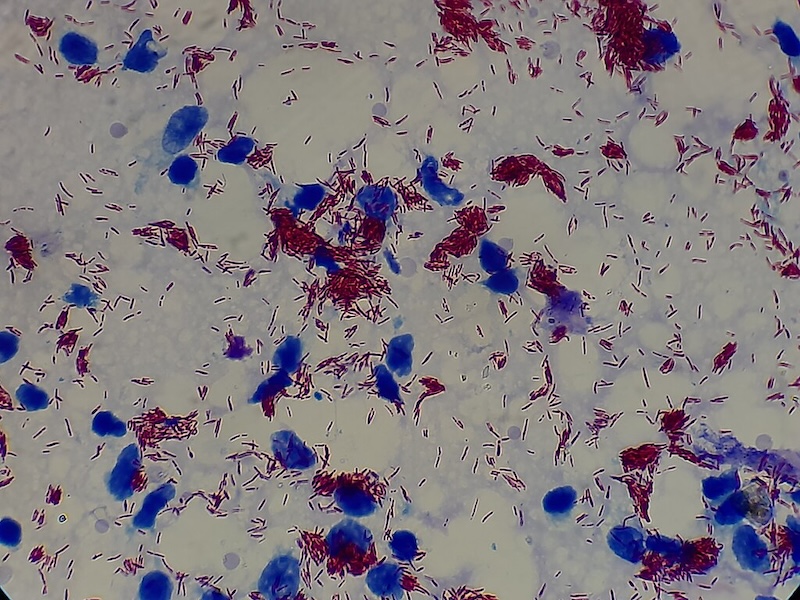
One diagnosis was confirmed through a skin biopsy showing acid-fast bacilli. Further testing ruled out tuberculosis and supported a diagnosis of Hansen’s disease.
Cluj Public Health Directorate head Corina Criste confirmed to Agerpres that the second case had also been verified. Both women are receiving treatment. Health officials said specific medication, in line with World Health Organization (WHO) protocols, has already started. Once treatment begins, the risk of transmission drops significantly.
Minister of Health Alexandru Rogobete said that two other spa employees are being monitored. One had recently returned from Asia, where her mother, also infected, remains hospitalised.
The spa salon has been closed during the investigation. Authorities carried out ozone disinfection of the premises, intensified cleaning procedures, and ordered mandatory health checks for all staff.
Authorities said the risk to the general population is low. Leprosy spreads slowly and requires prolonged exposure to an untreated individual. It does not spread through casual contact such as handshakes or shared spaces.
The Health Ministry has launched expanded contact tracing, workplace inspections, and epidemiological surveillance. It has requested support from the WHO and the European Centre for Disease Prevention and Control to review diagnostic and treatment protocols.
The last confirmed leprosy case in Romania was reported in 1981. The disease, once associated with high transmission and stigma, is now treatable with antibiotics. WHO data shows that leprosy remains present in over 100 countries, with around 200,000 new cases each year, mostly in Asia, Africa, and Latin America.
HT


